

How NFTs are Changing Property Transactions in Dubai
October 19, 2024


Dubai has positioned itself as a global hub for innovation, particularly in the real estate sector. The rise of non-fungible tokens (NFTs) represents one of the most transformative developments in property transactions. NFTs are unique digital assets stored on a blockchain, which can represent ownership of various items, including real estate. As the Dubai real estate market embraces this technology, minting real estate NFTs in Dubai is revolutionizing property transactions, making them more efficient, transparent, and accessible.
Real Estate
NFTs appear to be a great solution for real estate
Real estate is often limited to only those who can afford such investments, & there is a lack of liquidity
However, NFTs could introduce fractionalized tokens, changing everything for the market as we know it today pic.twitter.com/TDrybyhhKc
— croissant (@CroissantEth) July 13, 2021
NFTs differ from traditional cryptocurrencies like Bitcoin, which are fungible and can be exchanged for one another. Each NFT is unique and cannot be replicated, making them ideal for representing ownership of tokenized tangible assets such as real estate. In the context of property transactions, NFTs can signify ownership of a specific property or a share in a property, streamlining the buying and selling process.
The integration of NFTs into Dubai’s real estate market aligns with the city’s ambition to be at the forefront of technological advancement, particularly in blockchain and digital assets.
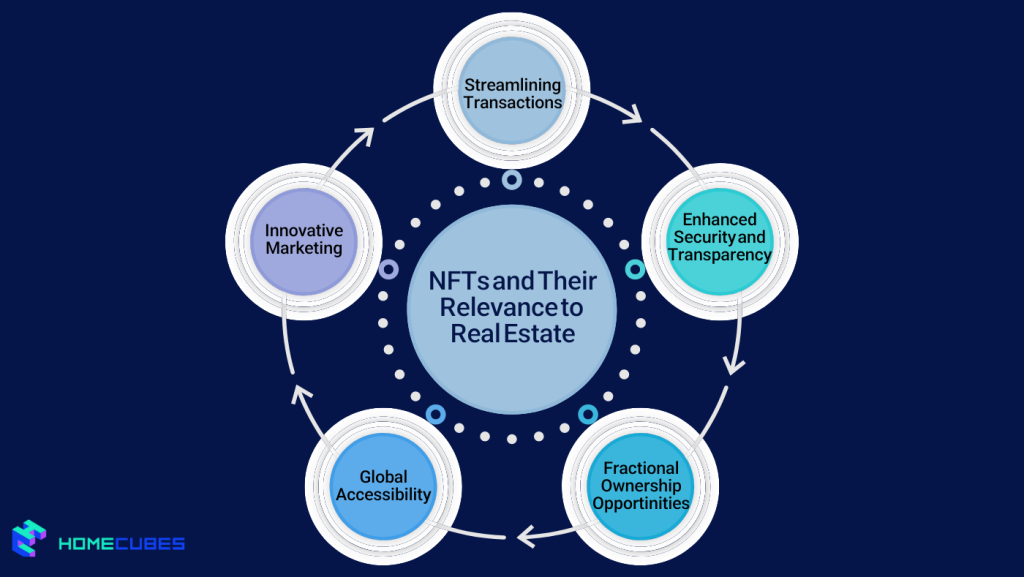
One of the primary ways NFTs are changing property transactions in Dubai is by streamlining the buying and selling process. Traditional real estate transactions often involve numerous intermediaries, including brokers, notaries, and legal advisors, each adding time and costs to the process.
With NFTs, the transaction can occur directly between the buyer and seller on a blockchain platform. The unique characteristics of NFTs enable automatic execution of contracts through smart contracts, which are self-executing contracts with the agreement terms coded into the blockchain. This reduces the need for intermediaries and accelerates the transaction process.
Security and transparency are paramount in real estate transactions. Blockchain in real estate and NFTs that are blockchain based provide robust solutions for both. Each NFT transaction is recorded on an immutable blockchain, creating a transparent and traceable history of ownership. This significantly reduces the risk of fraud, as buyers can verify the legitimacy of the asset and its ownership history before making a purchase.
In a market like Dubai, where property values can be substantial, the assurance provided by blockchain technology can attract more investors who may have previously hesitated due to concerns about security and authenticity.
NFTs also enable fractional ownership in real estate, allowing multiple investors to own a share of a property. This innovation opens up investment opportunities to a broader range of individuals who may not have the capital to purchase an entire property.
Fractional NFT ownership in the Dubai real estate market can democratize access to luxury properties, enabling more people to invest in high-value assets. Through the process of tokenizing properties into NFTs, developers can sell fractional ownership to multiple investors, diversifying their funding sources and increasing market participation.
One of the most appealing aspects of NFTs is their ability to facilitate cross-border transactions. Traditional real estate transactions can be complicated by regulatory barriers and currency exchange issues. However, NFTs can transcend these obstacles by enabling international investors to buy and sell property in Dubai seamlessly.
With the rise of digital wallets and blockchain platforms, individuals from around the world can invest in Dubai real estate without the need for extensive paperwork or complicated banking processes. This accessibility enhances Dubai’s reputation as a global investment destination and attracts a diverse range of investors.
The introduction of NFTs for property transactions is also transforming how properties are marketed and sold. Real estate developers and agents can create unique digital experiences to showcase properties, enhancing engagement and interest. For instance, virtual tours of properties can be combined with NFTs to create immersive experiences for potential buyers.
Furthermore, NFTs can be bundled with additional benefits, such as exclusive access to certain amenities or services. This innovative approach to marketing can help properties stand out in a competitive market, driving sales and attracting attention.
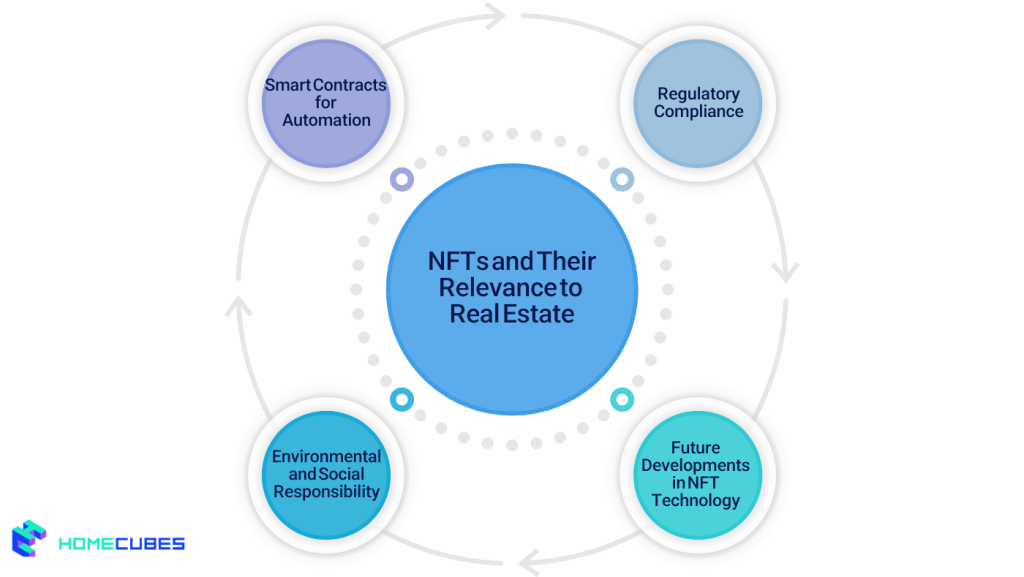
The integration of smart contracts with NFTs further enhances the efficiency of property transactions. Smart contracts automatically execute actions based on predefined conditions, reducing the need for manual intervention and streamlining the process.
For example, a smart contract can facilitate the transfer of ownership once payment is confirmed, ensuring a seamless transaction. This automation reduces the potential for human error and accelerates the closing process, benefiting both buyers and sellers.
As the adoption of NFTs in property transactions grows, regulatory bodies in Dubai are beginning to establish guidelines to govern their use. This development is essential for ensuring that transactions are conducted legally and transparently.
The Dubai Land Department has already taken steps to explore the integration of blockchain technology and NFTs into its operations. By developing a regulatory framework that supports the use of NFTs in real estate, the government can enhance trust among investors and promote broader adoption of this innovative technology.
As the world increasingly focuses on sustainability, NFTs in property transactions can also play a role in promoting environmental and social responsibility in real estate. Developers can use NFTs to represent properties that meet specific sustainability criteria. Hence it allows investors to make informed decisions based on their values.
In Dubai, where sustainability is a key focus, integrating NFTs into eco-friendly projects can attract socially conscious investors. This trend aligns with the UAE’s broader goals of promoting sustainable development and reducing environmental impact.
As technology continues to evolve, the potential applications of NFTs in real estate transactions are likely to expand further. Innovations such as augmented reality (AR) and virtual reality (VR) can enhance property viewings and make the buying process more engaging.
Moreover, as blockchain technology matures, we may see the emergence of new platforms specifically designed for real estate NFTs, providing investors with more options and streamlined services. These developments could further enhance the efficiency, security, and accessibility of property transactions in Dubai.
NFTs are poised to revolutionize property transactions in Dubai, offering a range of benefits that enhance efficiency, transparency, and accessibility. By streamlining transactions, enabling fractional ownership, and fostering global participation, NFTs are reshaping the real estate landscape in the UAE.
As Dubai continues to embrace technological innovation, the integration of NFTs into the real estate market will likely drive significant changes, attracting new investors and creating opportunities for growth. The future of property transactions in Dubai is bright, with NFTs at the forefront of this exciting transformation.
Homecubes is paving the way for real estate investors in Dubai by minting their property-backed NFTs soon. We encourage you to contact us for further information on our real estate NFTs in the Dubai real estate market.

Table of Contents Introduction Global Demand Dubai Real Estate – Snapshot Why Dubai Stands Out…

Dubai’s real estate market has moved from a speculative frontier to a globally recognized hub…
Table of Contents Introduction Market Overview: H1 2025 by the Numbers Key Drivers Behind the…


