How Dubai is Leading the Global Trend in Tokenizing Real World Assets
November 28, 2024


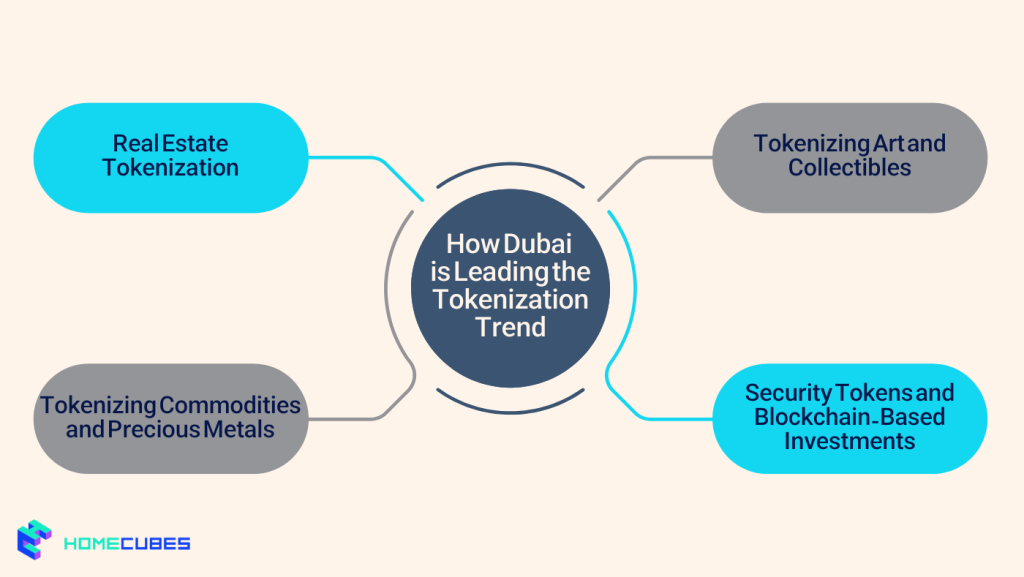
Dubai has established itself as a global leader in adopting and promoting new technologies, and one of the most exciting areas where the city is making a significant impact is in the tokenization of real-world assets (RWAs). Tokenization refers to converting physical assets—such as real estate, commodities, art, and luxury goods—into digital tokens that represent ownership shares. By leveraging blockchain technology, Dubai is at the forefront of a revolutionary shift in how assets are bought, sold, and traded, creating new investment opportunities and transforming the financial landscape. This article explores how Dubai is leading the global trend in tokenizing real-world assets and the opportunities it presents for investors.
Tokenization is the process of converting ownership of real-world assets into digital tokens using blockchain technology. These tokens represent fractional ownership of physical assets, which can include real estate, artwork, gold, and even collectibles. The ownership details are stored on a decentralized blockchain, ensuring transparency, security, and immutability.
By digitizing physical assets, tokenization allows for fractional ownership. It means investors can buy and sell small portions of high-value assets, enabling broader access to markets that were previously out of reach. Tokenization also enhances liquidity, as these tokens can be traded easily on blockchain platforms. In contrast with traditional physical assets, which often require time and effort to sell.
💥Wow! What an experience to be selected as the dedicated Real World Asset solution for #Fintech #Forum #Dubai! 💥@RWA_Inc_ shed light on crucial components of the tokenization movement and technology in the finance sector. @RWA_Inc_ ended up exploring large commercial asset… pic.twitter.com/39JRBFoCGT
— RWA Inc. (@RWA_Inc_) May 16, 2024
v
Dubai’s leadership has made it clear that blockchain technology will be a key driver of the city’s future economic growth. In 2016, Dubai launched its Dubai Blockchain Strategy, with a vision to become the world’s first blockchain-powered government. By 2020, the government aimed to have all government documents and transactions processed through blockchain, a vision that has largely been achieved.
Dubai’s commitment to becoming a global hub for blockchain and digital assets has set the stage for the tokenization of real-world assets. The city’s strategic efforts in creating a supportive regulatory framework, building infrastructure, and encouraging innovation have made it an ideal location for blockchain-based businesses to thrive.
A major factor behind Dubai’s success in the tokenization space is the clear and forward-thinking regulatory environment. The Dubai Financial Services Authority (DFSA) and the Dubai International Financial Centre (DIFC) are key players in providing regulatory guidance for blockchain-based projects. They will ensure that digital assets and tokenized products comply with local laws and international standards.
In 2020, Dubai introduced the Virtual Assets Regulatory Authority (VARA). VARA is a governing body specifically focused on regulating virtual assets, including tokenized products, cryptocurrencies, and security tokens. This regulatory clarity has helped create a secure environment for businesses and investors to explore and invest in tokenized assets without concerns about legal ambiguity.
One of the most prominent areas of tokenization in Dubai is the real estate market as an application of blockchain in real estate. Dubai’s property market, particularly in high-end areas such as Downtown Dubai, Palm Jumeirah, and Dubai Marina, has attracted international investors for years. However, the high cost of entry has traditionally been a barrier to many.
Tokenization is changing this by allowing investors to purchase fractional shares of luxury properties. Through blockchain-based platforms and property tokenization companies in Dubai, investors can now own a piece of a luxury apartment or a commercial property in prime locations, without having to buy the entire property. This allows global investors to diversify their portfolios. Furthermore, tokenization empowers young investors such as millennials to have better access to the real estate market in the UAE and Dubai.
Another exciting development in Dubai is the tokenization of art and luxury collectibles. Dubai is already a major hub for art and luxury goods. Hence, and tokenization is providing new opportunities for collectors and investors. Tokenizing art allows for fractional ownership, where investors can buy shares in high-value artworks. This will enable access to a market that was previously out of reach for most investors.
By using blockchain technology, Dubai is enabling a more transparent and secure way to buy, sell, and trade art. Each tokenized artwork can be tracked on the blockchain, providing a clear provenance and preventing issues of forgery or misrepresentation. Investors can also gain exposure to luxury items like rare watches, cars, and jewellery through tokenization platforms.
Dubai is also a global leader in the trading of precious metals, particularly gold. The city is home to the Dubai Gold and Commodities Exchange (DGCX), one of the world’s largest commodity exchanges. Tokenizing commodities like gold provides investors with a more efficient and secure way to buy, sell, and trade these assets.
By tokenizing gold, for example, Dubai allows investors to purchase fractional shares in gold holdings. These tokenized gold assets can be traded quickly and efficiently on blockchain platforms, reducing the barriers to entry for small investors and increasing the overall liquidity of the gold market.
In addition to tokenizing physical assets like real estate, art, and commodities, Dubai is also a leader in the development of security tokens. Security tokens are digital representations of traditional financial assets, such as stocks or bonds, and can be traded on blockchain platforms.
Security tokens offer a more efficient and transparent way to raise capital. This type of tokens allow businesses to issue tokens in exchange for funding. Investors can trade these tokens on regulated exchanges, providing a more liquid market for securities. Dubai is positioning itself as a hub for security token offerings (STOs) and has already attracted several blockchain companies working in this space.
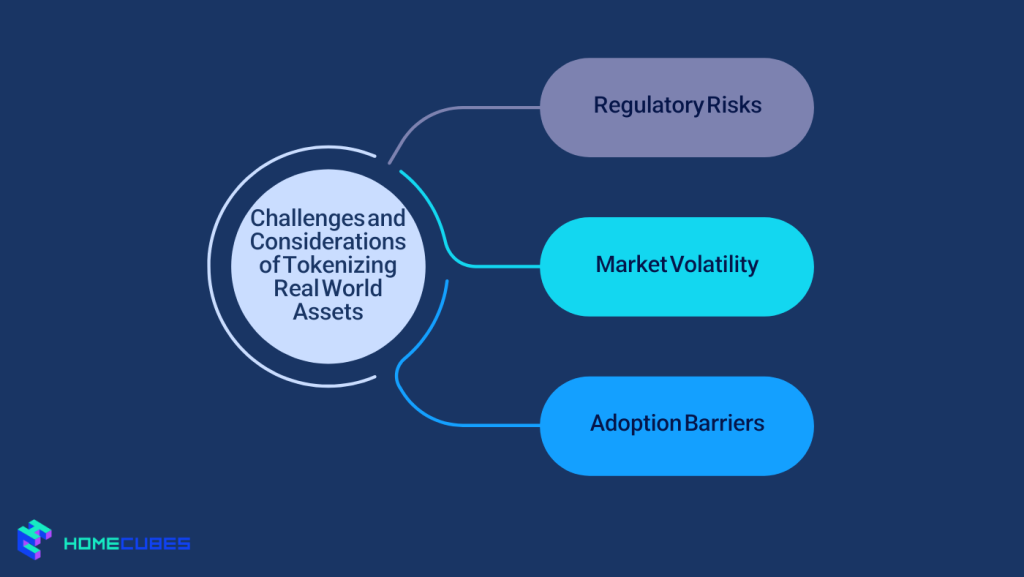
While tokenization offers many benefits, it also comes with challenges:
While Dubai has established a clear regulatory framework for virtual assets, the broader regulatory environment surrounding tokenization is still evolving. Changes in regulations could affect tokenized assets, so investors must stay informed about the legal landscape.
Like any investment, tokenized assets are subject to market fluctuations. While tokenization increases liquidity, it doesn’t eliminate the inherent volatility in asset markets, especially in sectors like real estate and commodities.
Despite Dubai’s leadership in tokenization, widespread adoption of this technology is still in its early stages. The broader market and investors need to embrace the idea of tokenized assets, which may take time as education and awareness grow.
Dubai is undeniably leading the global trend in tokenizing real-world assets. By embracing blockchain technology and creating a regulatory environment that fosters innovation, Dubai is positioning itself as a hub for the next generation of investment opportunities. The tokenization of real estate, art, commodities, and securities is reshaping how investors engage with these markets. It offers liquidity, security, and accessibility like never before. As Dubai continues to develop and expand its blockchain ecosystem, the city’s influence on the global tokenization trend will only grow stronger, offering new opportunities for investors worldwide.
Homecubes as the leading tokenized real estate platform in Dubai is about to launch their fractional ownership investment opportunities in Dubai. Contact us with confidence to be among the first lucky investors who enjoy such a lucrative opportunity to invest fractionally in properties located in prime locations across Dubai.
Table of Contents Introduction Global Demand Dubai Real Estate – Snapshot Why Dubai Stands Out…
Dubai’s real estate market has moved from a speculative frontier to a globally recognized hub…
Table of Contents Introduction Market Overview: H1 2025 by the Numbers Key Drivers Behind the…