Guidance on Tokenizing High-End Properties in Dubai
October 29, 2024


Tokenization of real estate has emerged as a transformative trend, particularly in markets like Dubai, known for its luxurious and high-value properties. By utilizing blockchain in real estate and converting real estate assets into digital tokens on a blockchain, investors can access fractional ownership, enhanced liquidity, and greater transparency. This article provides a comprehensive guide for property owners, developers, and investors interested in tokenizing high-end properties in Dubai.
Tokenization 101: Example Use Cases
Tokenization is often referred to in the context of traditional liquid assets, such as stocks, bonds, treasuries and more. But the opportunity to bring more illiquid assets on chain, represented by digital and tradeable assets, is much, much… pic.twitter.com/Wd8J7CXWvv
— Avalanche9000 🔺 (@avax) January 22, 2024
The Process real estate tokenization involves creating digital tokens that represent fractional ownership of a physical property. Each token is stored on a blockchain, ensuring that records are immutable, transparent, and secure. Fractional ownership is redefining luxury property investment in Dubai, making it easier to invest in prime real estate without needing significant capital.
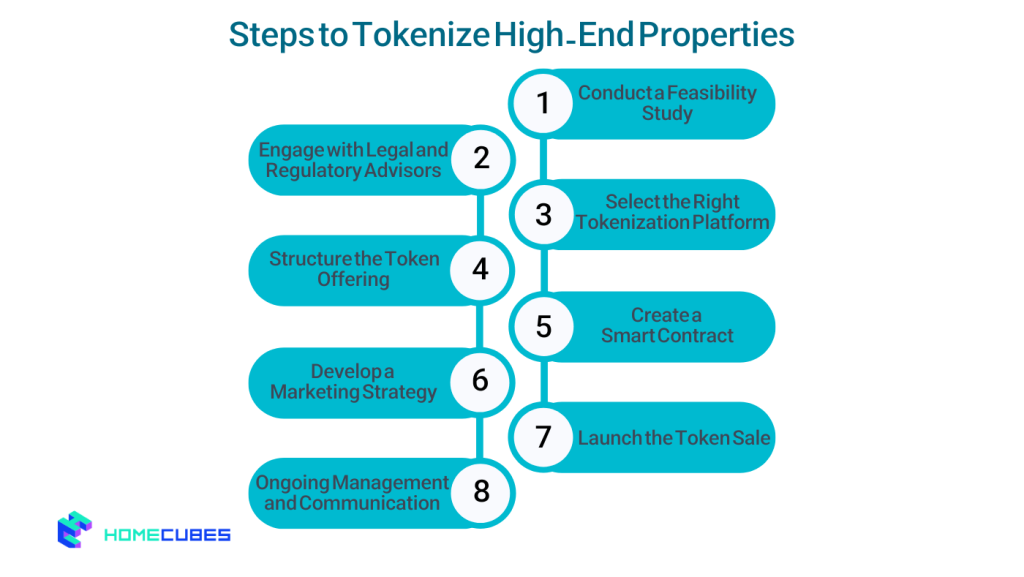
Before initiating the tokenization process, it’s crucial to conduct a thorough feasibility study. Assess the property’s market value, the target audience, and the potential demand for fractional ownership. This analysis will help determine whether tokenization is a viable option and identify the best approach for the property.
The legal landscape surrounding tokenization and real estate in Dubai is evolving. It is essential to engage with legal and regulatory advisors who specialize in blockchain and real estate to ensure compliance with local laws. The Dubai Land Department (DLD) and the Dubai Financial Services Authority (DFSA) have specific regulations regarding property transactions and digital assets.
Choosing the right tokenization platform is critical for the success of the project. Look for platforms that specialize in real estate tokenization and offer robust security features, user-friendly interfaces, and compliance with regulations. Evaluate their track record, technology, and support services.
Determine how the tokens will be structured. This includes deciding the total number of tokens to be issued, the value of each token, and the ownership rights associated with them. Common structures include equity tokens, which represent ownership shares, and revenue-sharing tokens, which entitle holders to a portion of rental income.
Smart contracts automate the execution of agreements based on predefined conditions. Work with blockchain developers to create a smart contract that outlines the terms of the token sale, ownership rights, profit distribution, and any conditions for secondary market trading. Ensure that the smart contract is thoroughly tested to prevent vulnerabilities.
To attract potential investors, develop a comprehensive marketing strategy that highlights the benefits of investing in tokenized luxury properties. Utilize digital marketing channels, social media, and real estate events to reach your target audience. Creating informative content about tokenization and its advantages can help educate potential investors.
Once the platform is ready and the marketing strategy is in place, it’s time to launch the token sale. Provide clear information about the property, investment structure, and expected returns. Ensure that investors understand the risks and benefits associated with investing in tokenized real estate.
After the token sale, maintain regular communication with investors. Provide updates on the property’s performance, rental income, and any developments affecting the investment. Offering transparent reporting can build trust and encourage long-term investor relationships.
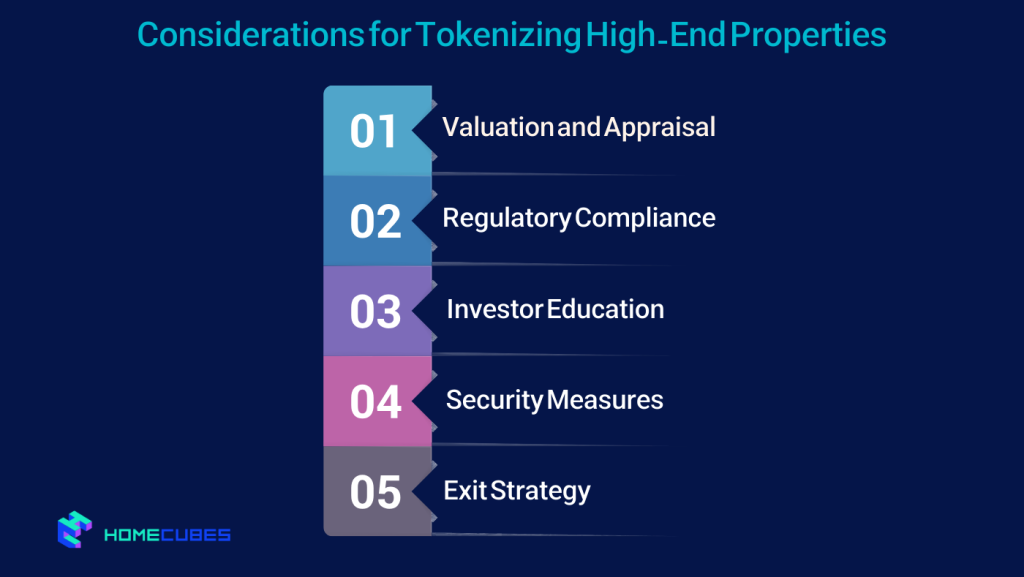
Accurately valuing high-end properties is crucial for determining the token price and overall offering structure. Engage professional appraisers who understand the luxury market to ensure a fair valuation. Consider factors such as location, amenities, and market trends.
Stay informed about the regulatory landscape surrounding tokenization and real estate in Dubai. Ensure that your tokenization project complies with local laws regarding securities, anti-money laundering (AML), and know your customer (KYC) regulations.
Given that tokenization is a relatively new concept, it’s essential to educate potential investors about the benefits and risks involved. Provide resources, FAQs, and webinars to help investors understand the technology and the investment opportunity.
Implement robust security measures to protect the digital assets and investor information. This includes utilizing secure wallets for storing tokens, regular security audits, and adopting best practices for cybersecurity.
Have a clear exit strategy for investors. Define the conditions under which tokens can be sold on secondary markets and any mechanisms for buy-backs or liquidity provisions. An established exit strategy can enhance investor confidence and participation.
The tokenization of high-end properties in Dubai represents a significant shift in the real estate investment landscape. As technology continues to evolve, tokenization is likely to become more mainstream, attracting a diverse range of investors seeking to capitalize on the luxury market.
With Dubai’s proactive approach to innovation and technology, including initiatives like the Dubai Blockchain Strategy, the city is well-positioned to lead in the adoption of real estate tokenization. As awareness and acceptance of this investment model grow, more property owners and developers will explore tokenization as a viable option.
Tokenizing high-end properties in Dubai offers a unique opportunity for investors, developers, and property owners to engage with the real estate market in innovative ways. By following the steps outlined in this guide and considering the associated challenges and opportunities, stakeholders can effectively navigate the tokenization process.
As blockchain technology continues to reshape the real estate sector, embracing tokenization can provide significant advantages, including increased transparency, enhanced liquidity, and broader access to investment opportunities. The future of real estate investment in Dubai is poised for transformation, and tokenization is at the forefront of this exciting evolution.
Homecubes, as the leading prime property tokenization platform has got exciting property tokenization projects in their pipeline. We encourage you to contact us, if you are seeking lucrative fractional investment opportunities in the Dubai real estate market.
Table of Contents Introduction Global Demand Dubai Real Estate – Snapshot Why Dubai Stands Out…

Dubai’s real estate market has moved from a speculative frontier to a globally recognized hub…
Table of Contents Introduction Market Overview: H1 2025 by the Numbers Key Drivers Behind the…